Wholesale Net Wrap vs. Baler Twine: Which Is Right for Your Operation?
Choosing the right hay binding material can save farmers significant time, money, and forage quality every season. This comparison of net wrap versus baler twine helps operations serving Pittsburgh, PA, make a confident decision.
Hay producers across western Pennsylvania face a unique set of challenges. Rolling terrain in Allegheny, Butler, and Washington counties can make multi-cut hay seasons unpredictable, and frequent summer rain events cut drying windows short. Whether you run a small family operation in the South Hills or a larger beef or dairy setup toward Lawrence or Mercer counties, choosing between net wrap and baler twine is one of the most practical decisions you make before baling season begins.
Understanding the Basics of Net Wrap and Baler Twine
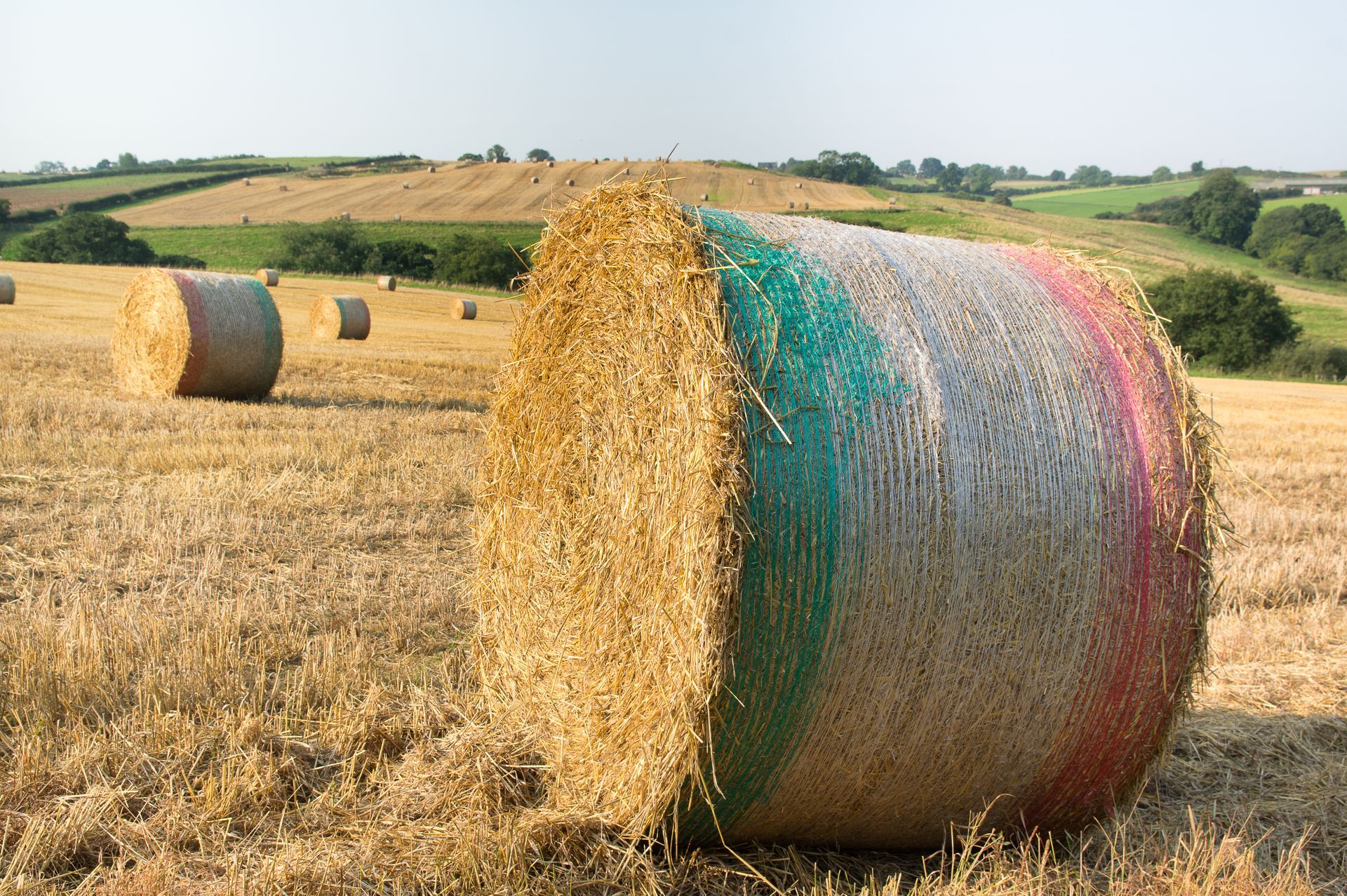
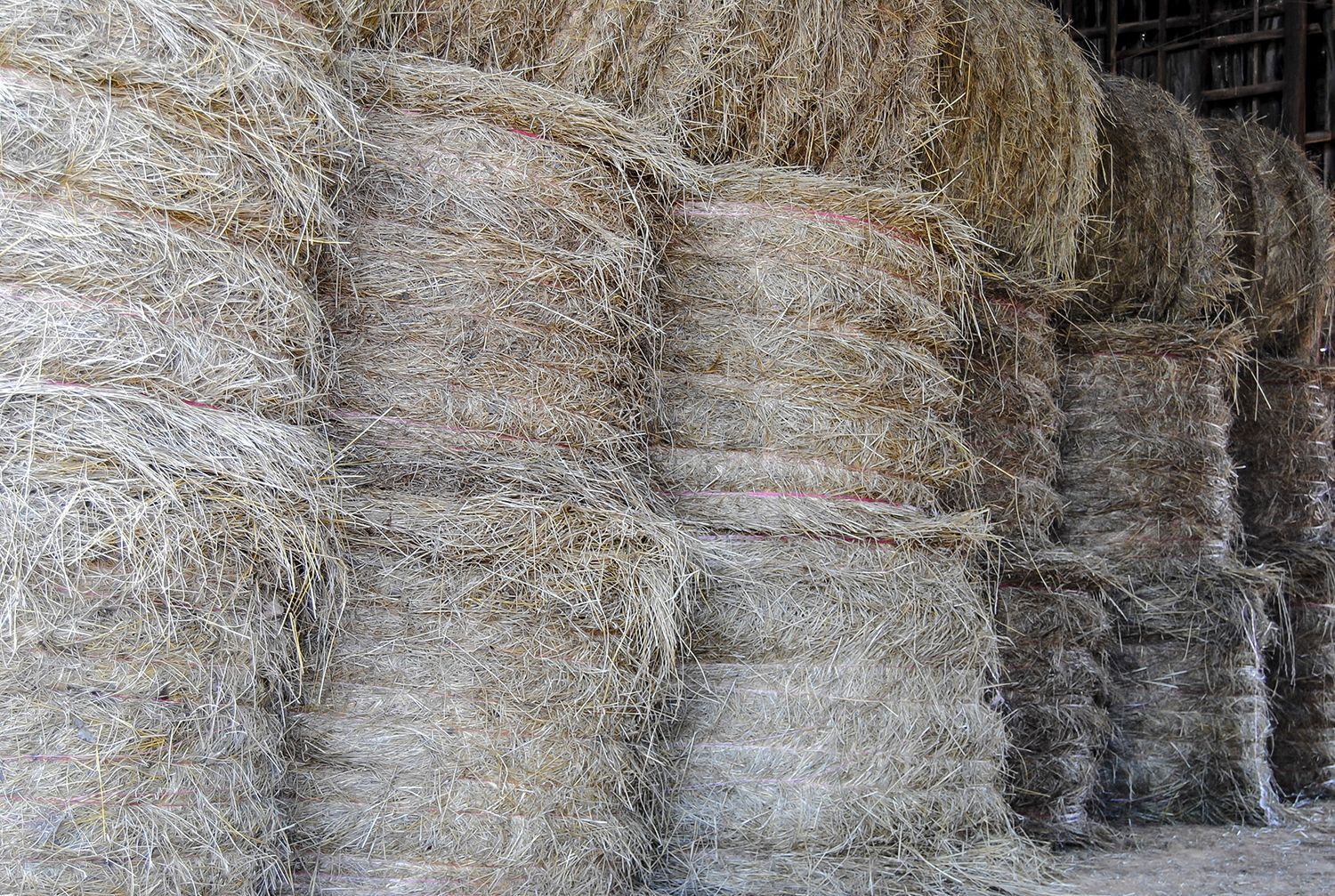
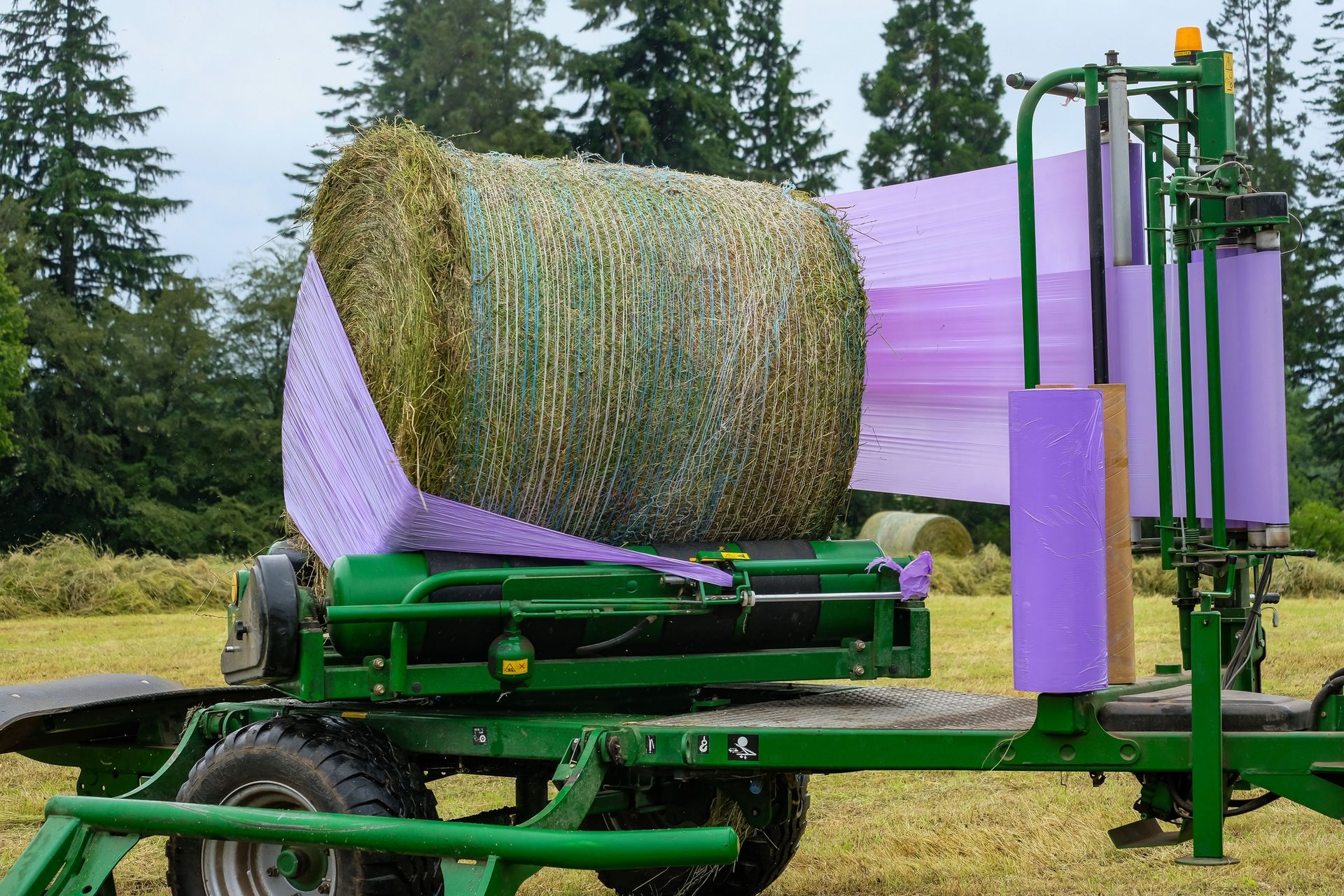
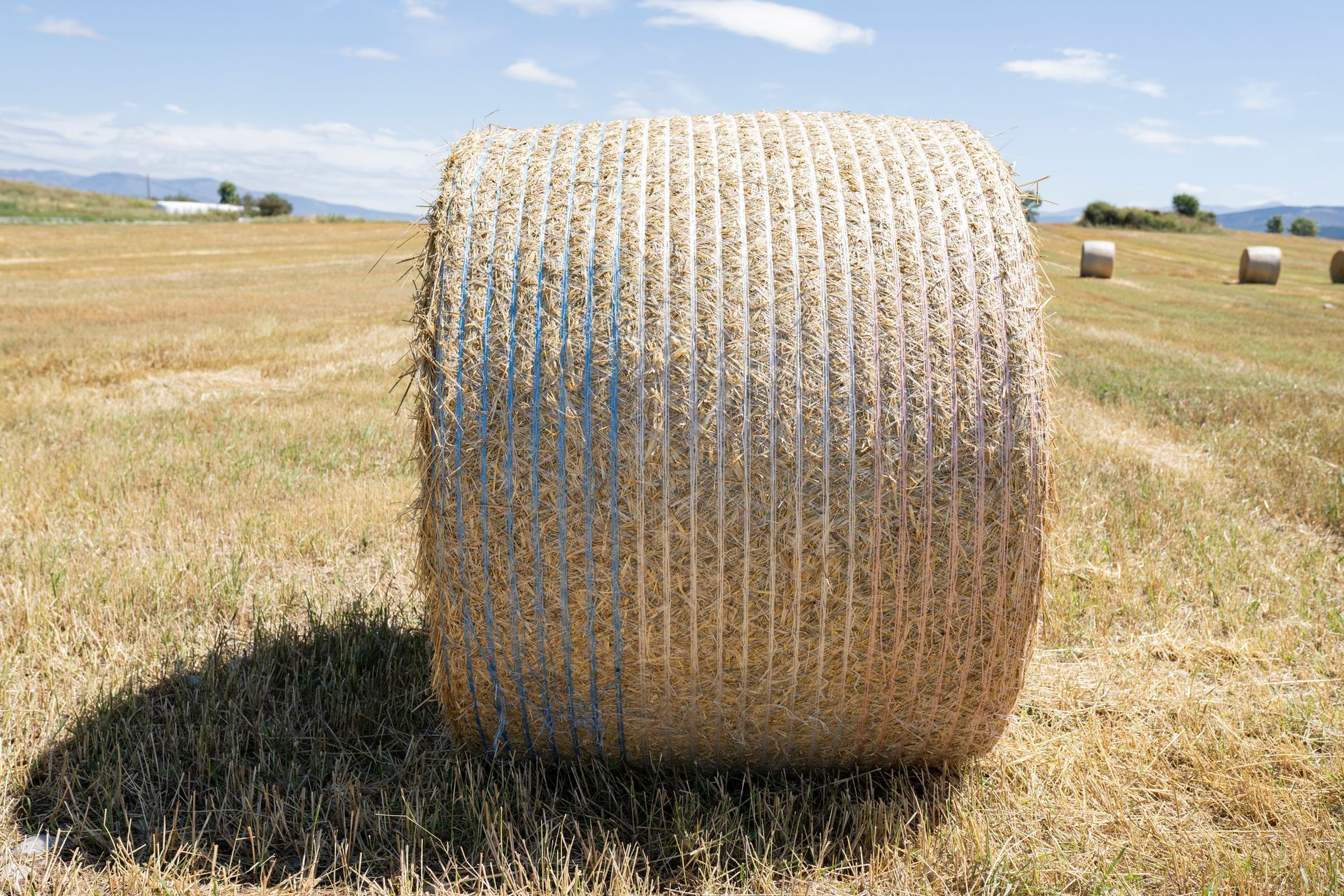
Net wrap is a woven mesh material that covers the full width of a bale in just a few rotations. Baler twine wraps around the bale in spiraling coils, typically requiring many more turns for a secure hold. Both products can work well, but their performance differences become clearer when you factor in bale volume, storage conditions, and labor hours.
Dry Matter Loss: Where the Numbers Tell the Story
Wholesale net wrap can significantly reduce hay lost to weather and spoilage. Research shows net wrap can reduce storage and handling losses by as much as 65% compared to twine. For a Pennsylvania producer putting up several hundred bales a season, that difference adds up quickly.
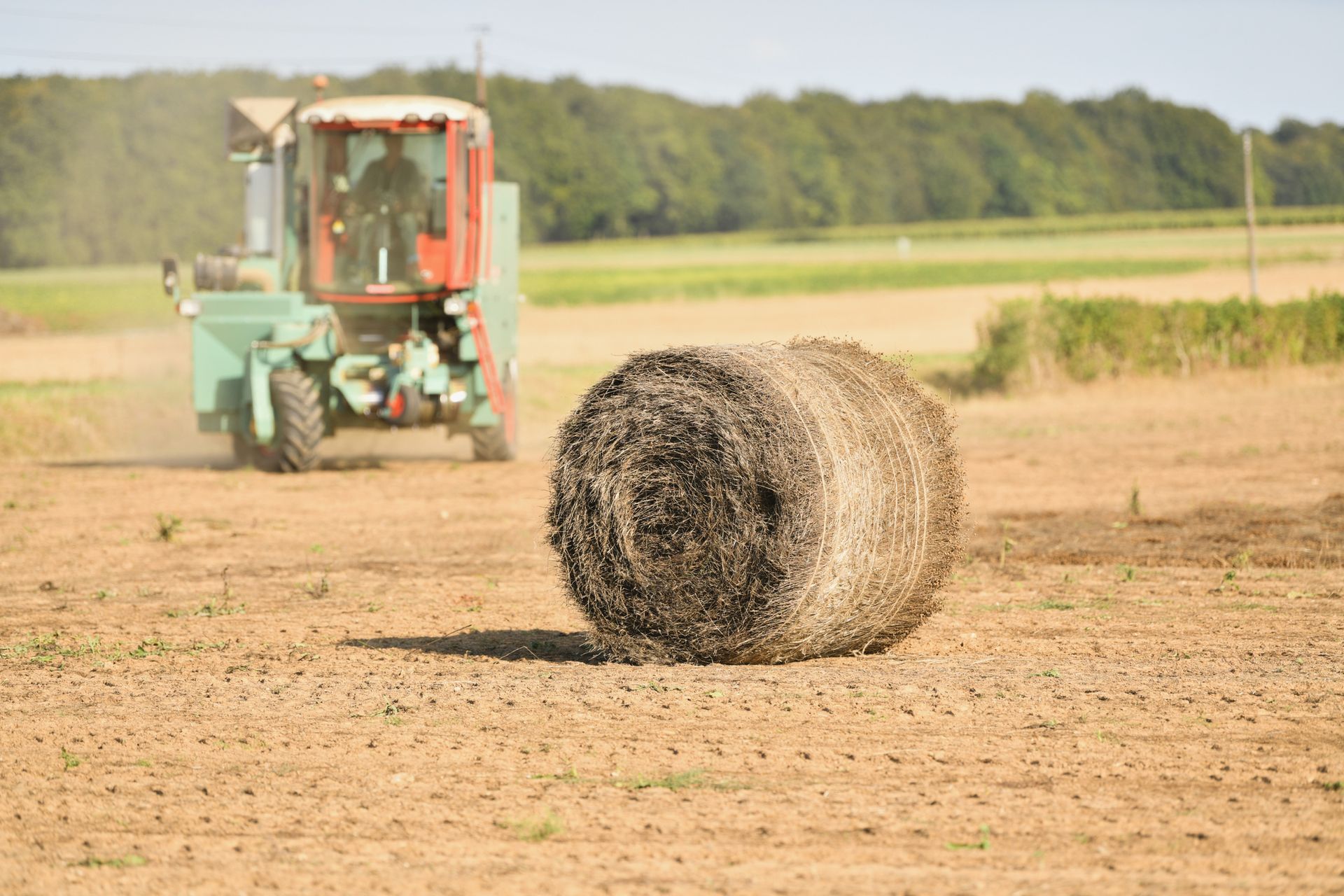
Western PA summers bring frequent pop-up showers that can catch bales sitting in the field. Net wrap sheds moisture from the bale surface, protecting outer layers from soaking. Twine-wrapped bales are more open on the ends and along the surface, making them more susceptible to rain penetration between cuts.
Baling Speed and Labor Efficiency
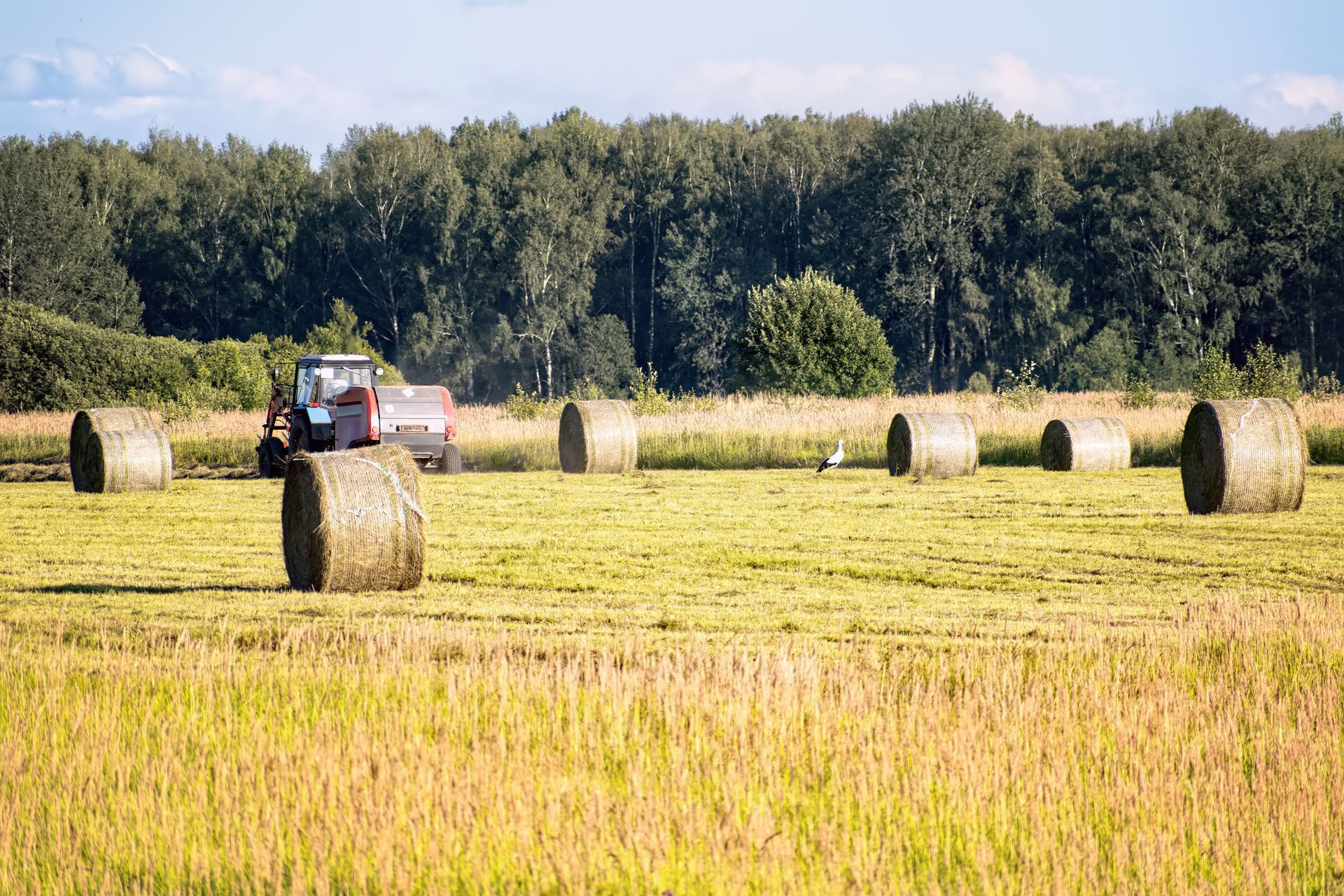
Net wrap is faster to apply than twine. A baler using net wrap may need only two to four rotations to finish a bale, compared to roughly 20 or more with twine. That difference means more bales per hour, less fuel burned per bale, and less equipment wear over a long baling day.
For farms in Pittsburgh, PA, trying to squeeze baling into narrow weather windows, this speed advantage can be decisive. Getting more bales off the field before a storm rolls in may mean the difference between a good hay crop and a degraded one.
Cost Per Bale: Looking Beyond the Sticker Price
Twine typically costs less per roll than wholesale net wrap and remains a practical choice for smaller operations or square bale producers. Square balers are set up for twine, and that alone may make the decision straightforward for farms running that equipment.
For round bale producers, the full cost picture is more complex. Wholesale net wrap costs more upfront, but faster baling speed, reduced hay losses, and lower fuel use per bale can offset that difference over a season. The actual material cost per bale varies by roll length, bale size, and baler efficiency, so it is worth running the numbers for your specific setup rather than comparing roll prices alone. Buying wholesale net wrap in bulk can further close the per-bale cost gap.
Baler Compatibility and Equipment Considerations
Square balers are designed for twine only. For round balers, most machines manufactured after around 2000 can handle both net wrap and twine, and switching between them often requires a relatively simple mechanical adjustment.
If your round baler already has a net wrap system, keeping the feed system, brake components, and net guides in good condition helps prevent jams and wasted material. Operators running older equipment may want to factor in potential retrofit costs before committing to wholesale net wrap at scale.
When Each Format Makes the Most Sense
Baler twine may be the better fit if you run square balers, have adequate covered storage for all your bales, or manage a lower-volume operation where speed is less of a priority. Twine also tends to be easier to cut and remove at feeding time.
Wholesale net wrap tends to make more sense for higher-volume round bale operations, for producers who store bales outside for any period, or for farms where labor is limited and baling speed matters. In western Pennsylvania's variable weather, the added protection net wrap provides during outdoor storage and between cuts can help protect a significant investment in seed, fertilizer, and field time.
Does Net Wrap Work on All Round Balers?
Most modern round balers can use either net wrap or twine. Older machines may need adjustments or component upgrades to run net wrap reliably. Always check your baler's manual and confirm compatibility before switching.
Is Net Wrap Worth the Higher Upfront Cost?
For high-volume producers or those relying on outdoor storage, the reduction in hay loss and labor savings often make wholesale net wrap the more cost-effective choice over a full season. For smaller operations with covered storage, twine may still pencil out better.
Ready to Find the Right Binding for Your Operation?
The right choice between net wrap and baler twine comes down to your equipment, bale volume, and how you store and handle your hay. For farms across western Pennsylvania, where weather windows can be short and forage is too valuable to lose, thinking through the full cost picture before baling season arrives pays off.
Tytan International serves Pittsburgh, PA, and surrounding agricultural communities with competitive wholesale net wrap, baler twine, and a full range of wholesale agriculture supplies. Call (913) 492-3222 to speak with a knowledgeable team member and request a free estimate on your seasonal supply needs. You can also learn more and connect with Tytan International to find the right product for your operation.